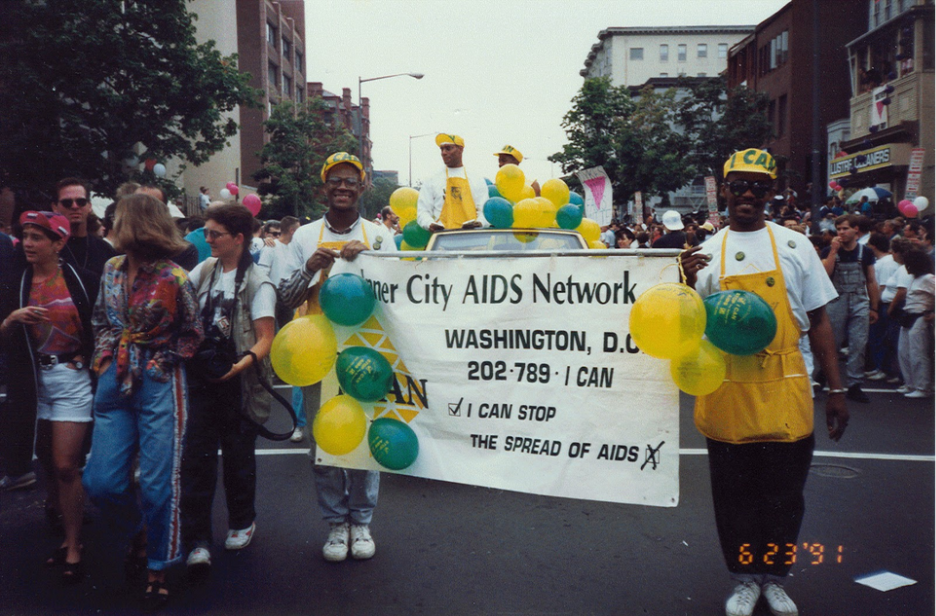
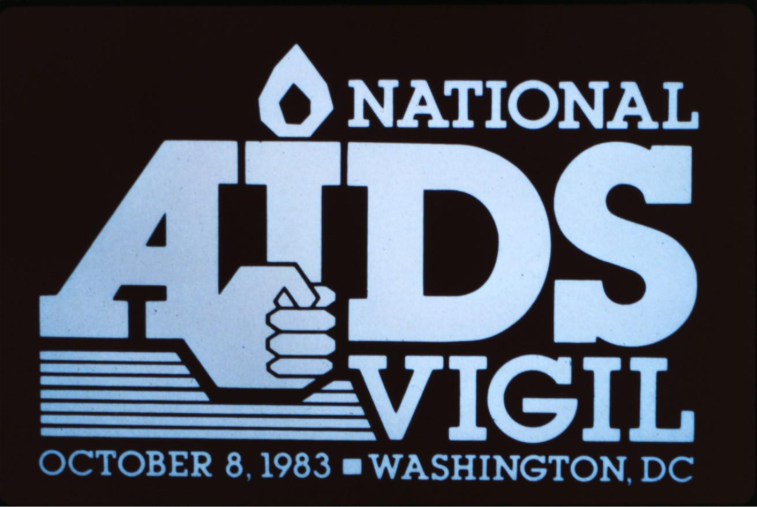
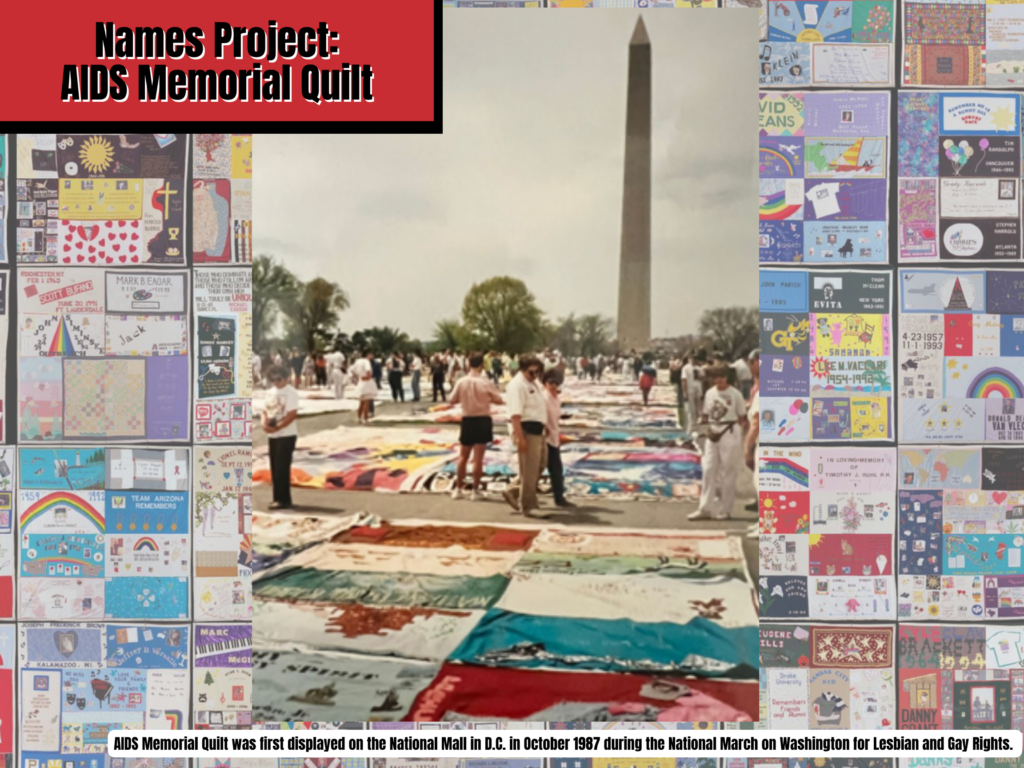
The AIDS epidemic disproportionately devastated Black LGBTQIA+ Washingtonians, highlighting structural inequities in healthcare, housing, and other social services. Yet it also inspired a wave of community-led care and advocacy.
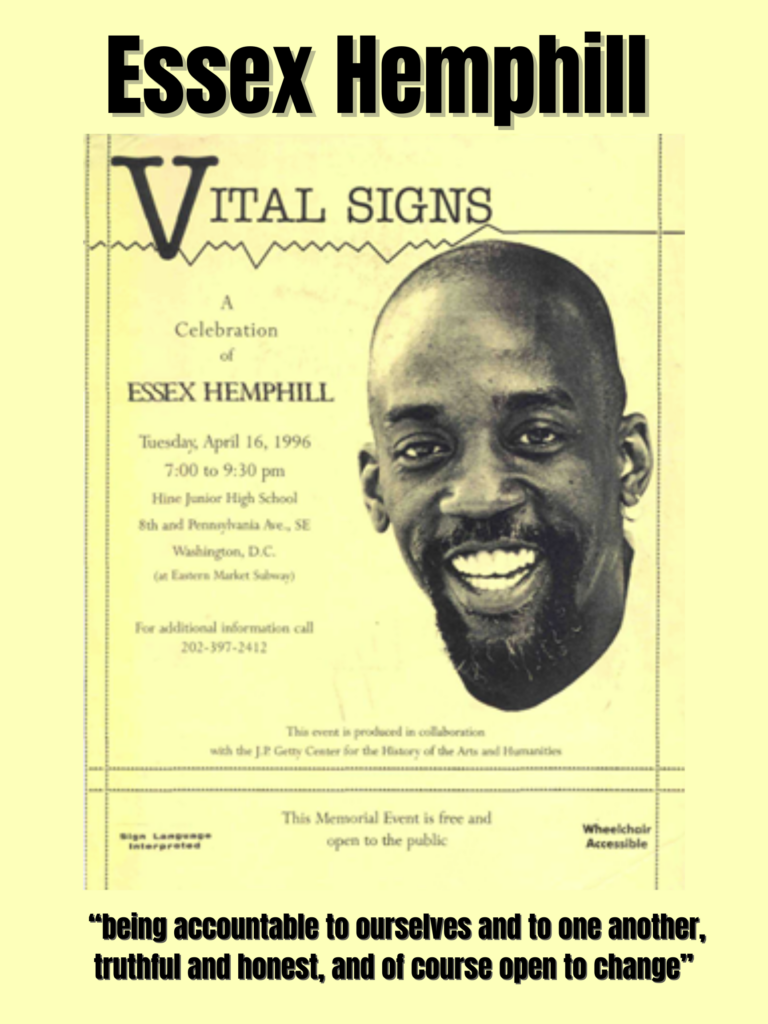
Essex was at the heart of Washington, D.C.’s African-American gay and lesbian literary and performance renaissance of the 1980s and 1990s which centered on the ENIKAlley Coffeehouse and on D.C. space.
Essex’s poetry and prose is inextricably linked to African-American gay life in D.C. and across the country. His poetry and his performances proved memorable evocations of the challenges of being black and gay and young in the midst of the AIDS epidemic. For filmmaker Marlon Riggs, he brought voice and energy to Tongues Untied and Black is … Black Ain’t, as well as to Isacc Julien’s Looking for Langston.
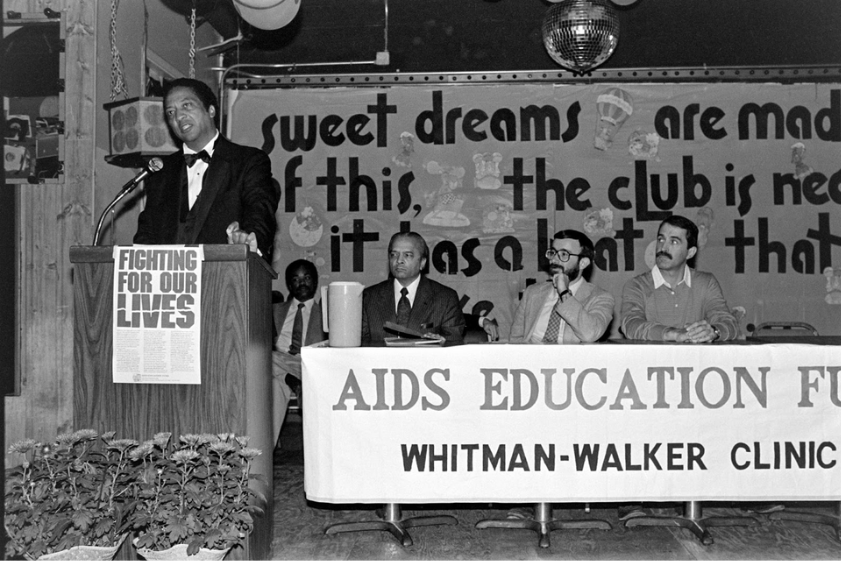
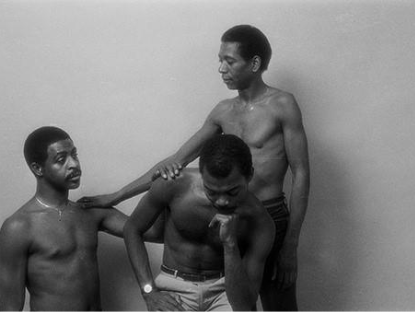
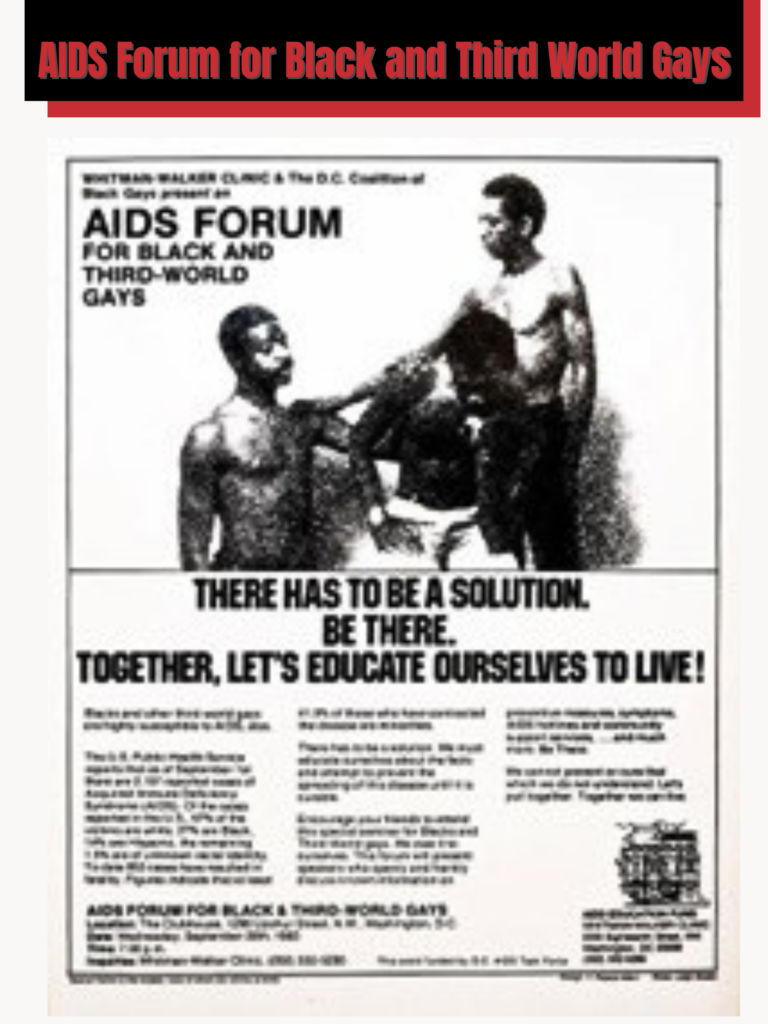
The AIDS epidemic disproportionately devastated Black LGBTQIA+ Washingtonians, highlighting structural inequities in healthcare, housing, and other social services. Local organizations like the Inner-City AIDS Network, Us Helping Us, Whitman-Walker, and The Brotherhood provided testing, education, and critical support. In September 1983, it hosted the first AIDS Forum for Black and Third World Gays, addressing systemic neglect of Black LGBTQIA+ communities. The venue supported groups like Us Helping Us, fostering mutual aid and advocacy that laid the foundation for D.C. Black Pride’s commitment to combating HIV/AIDS.
Learn more about the AIDS Crisis in Washington, D.C., including the pivotal people, places, organizations, and events at BlaqLGBT History/AIDS.